On this page
Overland Park drivers can compare Kansas auto insurance by starting with their actual household drivers, vehicle use and overnight parking address. This guide explains coverage choices, cross-border commutes and how policy updates differ from Johnson County registration and Kansas driver licensing. Call 844-712-1313 or request a quote. KansasAutoInsurance.com is operated by Drivers Insurance Agency, Inc.; this page does not represent a physical Overland Park office. A quote request does not bind coverage.
Coordinating car insurance with Johnson County registration and licensing
Overland Park drivers need to keep three systems aligned: county vehicle registration and titling, state driver licensing, and insurance policy information. A mismatch among these (for example, your policy lists a Lenexa address but your registration shows Overland Park) can create complications at renewal or during a claim.
Johnson County Vehicle Registration and Titling
Vehicle registration and titling in Johnson County is handled through the county’s Treasury, Taxation and Vehicles department, not through your insurer. The Mission and Olathe offices are the main service centers listed on the county site. Many services, including registration renewals and address changes, can be completed online.
For detailed steps on ownership changes, buying or selling vehicles, and bringing in vehicles from out of state, see the Johnson County Vehicle Ownership Guide. For registration, titling, online renewal, address updates, and VIN inspection information, visit Johnson County Vehicle Registrations and Titling.
VIN inspections are typically needed when titling a vehicle with an out-of-state title in Kansas. The county website lists where and how to complete these inspections.
Kansas Driver Licensing vs. Johnson County Registration
State driver licensing is handled by the Kansas Department of Revenue through driver’s license offices. County vehicle registration is separate. Drivers moving into or within Johnson County need to update their license address with the state and their vehicle registration address with the county.
Your insurance policy address must match where the car is primarily garaged. An Overland Park resident who commutes daily to Missouri still garages the vehicle in Kansas and needs a Kansas policy reflecting that home address.
Keeping Your Insurance Policy in Sync With Life Changes
Common events for Overland Park residents that trigger policy updates:
-
Moving from another state to Johnson County (new garaging address, new Kansas policy needed)
-
Changing apartments or homes locally within Johnson County
-
Buying or selling a vehicle (new VIN, possible lienholder changes)
-
Paying off a loan (opportunity to revisit deductibles and whether to keep collision and comprehensive coverage)
-
Adding or removing a spouse or partner from the household
-
A teen starting to drive
Each of these requires contacting both your insurer and, in many cases, the county registration office. KansasAutoInsurance.com helps clients understand which contact to make first and what information is needed.
Understanding Required and Optional Kansas Auto Coverages
Kansas sets minimum required coverages, but minimum coverage may not provide adequate financial protection after serious accidents. Consider higher limits or additional protections based on your household and financial situation. The Kansas Department of Insurance provides consumer information on auto coverage requirements.
Kansas Minimum Required Coverages
-
Bodily injury liability (25/50) – Kansas requires at least $25,000 per person and $50,000 per accident to cover injuries you cause to others. For commuters with property and savings to protect, higher limits reduce the risk of personal financial exposure after a serious accident.
-
Property damage liability (25) – At least $25,000 per accident covers damage you cause to other people’s property. Modern vehicle repair costs can exceed this amount in a multi-car collision.
-
Personal Injury Protection (PIP) – Required in Kansas because it is a no-fault state. The minimum medical expense benefit is $4,500 per person. Kansas law also requires separate statutory PIP benefits for work loss (disability), rehabilitation, substitution services, and funeral expenses. PIP covers medical expenses and lost wages regardless of fault.
-
Uninsured/Underinsured Motorist Bodily Injury (25/50) – Uninsured/underinsured motorist coverage is mandatory in Kansas at $25,000 per person and $50,000 per accident. This coverage helps protect you and your passengers if an at-fault driver has no insurance or insufficient coverage.
Common Optional Coverages for Overland Park Drivers
-
Comprehensive and collision – Comprehensive coverage protects against non-collision damages like hail, theft, and animal strikes. Collision coverage pays for vehicle repairs after an accident. Both are typically required by lenders; details on lender expectations are at /financed-car-insurance/.
-
Higher liability limits – Compare limits above 25/50/25 against the financial consequences of a serious covered loss. Your driving history affects your car insurance premiums, and so do the limits you select.
-
Rental reimbursement and towing – If your car is in the shop after a covered loss, rental reimbursement covers a temporary vehicle. For commuters who rely on their car daily to drive between Overland Park and Missouri, benefits remain subject to daily, total and duration limits.
-
Coverage adjustments for teen and college drivers – Adding teen drivers changes both coverage choices and premiums. Medical payments coverage helps with injury costs after an accident, and teens face higher accident risk factors. More at /teen-driver-insurance/.
-
Accident forgiveness and telematics — Ask whether either option is available and review eligibility, cost and limitations. A driving-monitoring program may affect price in either direction depending on its terms; review the data it collects and how to leave the program.
Household Drivers, Cross-Border Commutes, and Vehicle Changes
Johnson County households often have multiple vehicles, drivers working in both Kansas and Missouri, and kids driving to activities across the metro. These patterns create complexity that a single-state, single-driver policy template does not address.
Listing All Regular Drivers in Your Household
Insurers need to know about all household members of driving age, even if they do not drive a specific vehicle frequently. Tell the insurer about regular and occasional drivers and ask about the policy terms; borrowing a vehicle does not guarantee coverage.
For teen drivers in Johnson County schools, early planning helps. Contact the insurer before the first practice drive, ask when the teen must be listed or rated, and confirm coverage. A permit does not guarantee automatic coverage. The agency can help structure limits and select options that account for a teen’s driving patterns and the vehicles they will use.
Accurate Garaging for Cross-Border Commuters
“Garaging” refers to where the vehicle is kept most nights. An Overland Park resident who commutes to a job in Kansas City, Missouri still garages the vehicle in Kansas. The policy must reflect the Kansas home address, not the Missouri work address.
Drivers whose vehicles are principally kept at their Kansas residence should discuss that garaging location and their cross-border use with the insurer. Misrepresenting garaging (for example, claiming the vehicle is kept in Missouri to seek different rates) can cause an insurer to deny a claim. The agency’s role includes helping clients answer garaging and commute questions correctly so the policy reflects reality.
Vehicle Purchases, Trades, and Loan Payoffs
When buying a new or used vehicle from a dealership or private seller in the metro area, contact the agency promptly to add or replace vehicles on your policy. The correct VIN and lienholder must be listed before driving the vehicle.
Paying off a loan removes the lender’s requirement for collision and comprehensive coverage, but that does not mean dropping those coverages is the right choice in every case. It is a good time to review deductibles and consider whether the vehicle’s value justifies the premium for those coverages. Compare quotes from multiple insurance providers for better rates when your situation changes; bundling auto and home insurance can lead to discounts as well, though KansasAutoInsurance.com focuses on the auto side.
Affordability and Smart Choices for Overland Park Car Insurance
The agency cannot guarantee specific savings amounts, but it helps drivers make cost-conscious coverage decisions by reviewing trade-offs between premium cost and out-of-pocket risk. More in-depth guidance is at /affordable-car-insurance/.
Ways to Balance Cost and Protection
-
A higher comprehensive or collision deductible may reduce the premium but increases the amount you pay for a covered loss. Compare actual deductible options within lender rules and choose an amount you could afford.
-
Coverage history and claims history may affect pricing. Follow the policy notice requirements after a loss; do not delay required reporting to seek a lower premium.
-
Choosing appropriate limits rather than the absolute minimum protects Johnson County homeowners and higher-mileage commuters whose assets and daily driving exposure are higher than average. Minimum liability coverage in Kansas is $25,000 per person and $50,000 per accident; for many Overland Park residents, those amounts do not cover the full cost of a serious injury claim.
-
KansasAutoInsurance.com reviews these trade-offs with clients remotely and can update policies as situations change: a paid-off loan, a teen leaving for college, or a shorter commute after a job change.
Frequently Asked Questions
Do I need a Kansas policy if I live in Overland Park but work in Missouri?
If your vehicle is garaged in Overland Park or elsewhere in Johnson County most nights, it needs a Kansas auto insurance policy, even if you drive it daily into Missouri. Tell the agency about the cross-border commute and ask how the policy applies to accidents in either state.
How do I handle insurance when I move to Johnson County from another state?
Obtain a Kansas auto policy, work with Johnson County for vehicle registration and titling, and update your Kansas driver’s license address with the state. Kansas requires vehicle title and registration within 90 days of establishing residency. The Johnson County Vehicle Ownership Guide covers official registration steps. The agency can help coordinate policy timing with your move; see /moving-to-kansas/ for a detailed walkthrough.
What if I’m buying a car from out of state and bringing it to Overland Park?
Arrange insurance before driving the vehicle in Kansas. Johnson County requires a VIN inspection for out-of-state titles before Kansas registration can be issued. Check the county’s registration pages for current procedures, inspection locations, and required documents.
Does requesting a quote start or bind my coverage automatically?
No. A quote request through KansasAutoInsurance.com or over the phone never binds coverage. Confirm insurer acceptance, payment requirements and the effective date before relying on coverage.
Can you still help me if I prefer not to visit an office in person?
Call or use the website to begin a coverage inquiry. Ask which documents and steps the insurer requires for the requested policy or change. This page does not identify a walk-in office in Overland Park.
Next Steps
Review your current situation: the drivers in your household, your commute patterns, whether your vehicles are financed, and any upcoming moves or vehicle changes. If anything has shifted since your last policy review, your coverage may need updating.
Call 844-712-1313 or visit /quote/ to start a no-obligation Kansas auto insurance review. A quote request does not bind coverage. The agency will help coordinate policy timing with Johnson County registration, lender requirements, and household changes.
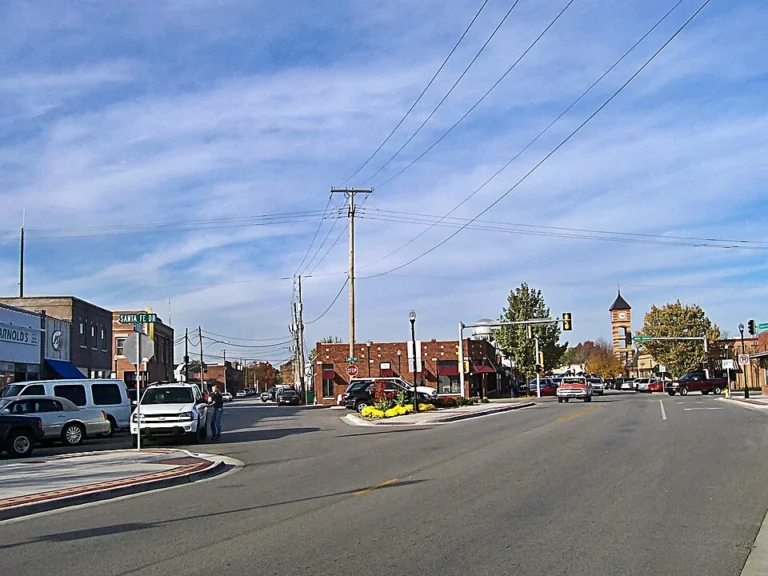
Historic Overland Park